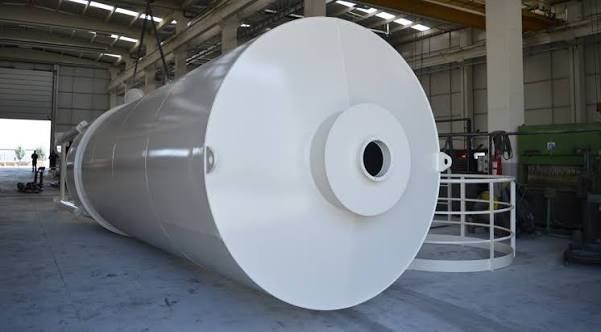
Filler Silos: Explore Storage Design, Material Flow, Capacity and Asphalt Plant Integration
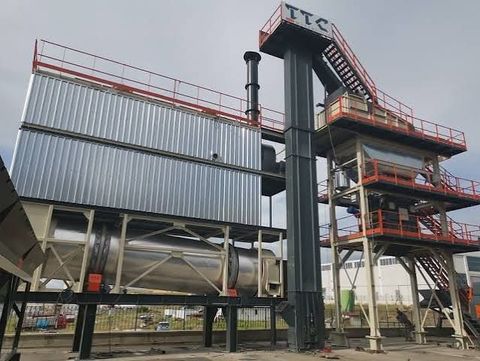
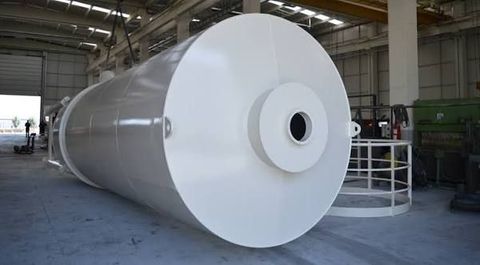
Filler silos are storage units used in asphalt plants to hold fine mineral materials before they are introduced into the asphalt mixing process. The stored material is commonly known as mineral filler and can include very fine particles such as limestone dust, reclaimed mineral material, or other approved mineral powders.
In an asphalt plant, filler plays a role in the composition and performance of asphalt mixtures. Because these materials are fine and can behave differently from larger aggregates, they require controlled storage and movement. A filler silo provides a dedicated location where the material can be contained until it is needed.
The basic design combines a storage vessel with equipment for feeding, conveying, level monitoring, and discharge. Depending on the plant arrangement, the silo may receive filler from a separate storage system, a dust collection process, or another material-handling unit.
How Filler Silos Fit Into Asphalt Production
Asphalt production normally involves several material streams. Coarse aggregates, fine aggregates, mineral filler, and bituminous binder are brought together according to a specified mixture design.
A simplified sequence is:
- Aggregates are stored and proportioned.
- Aggregates are heated and processed.
- Fine filler is stored separately.
- A controlled quantity of filler enters the mixing process.
- Bituminous binder is combined with the mineral materials.
- The completed mixture moves toward storage or transportation.
The exact arrangement differs between batch and continuous asphalt plants. In both cases, controlled filler movement helps maintain the intended material proportions.
Main Components
A typical filler silo may include a cylindrical or conical storage body, a discharge section, level sensors, a feeding mechanism, access points, and structural supports. Some systems also include an air-assistance arrangement to help move fine material through the discharge area.
The internal geometry matters because fine powders can behave differently from larger granular materials. Moisture, compaction, particle size, and material characteristics can influence how easily filler moves through the silo.
Importance
Why Filler Storage Matters
Filler is used in relatively small quantities compared with aggregate, but its distribution can influence the characteristics of an asphalt mixture. Reliable storage and controlled movement therefore form an important part of plant operation.
Poor material flow can result in interruptions, inconsistent feeding, or accumulation inside the storage vessel. These problems can affect production continuity and may require inspection of the discharge arrangement.
Filler silos also help separate fine mineral material from larger aggregate streams. This separation allows each material category to be measured and introduced according to the plant's mixture requirements.
Material Flow Challenges
Fine powders can create several flow-related difficulties. Moisture is one important factor because damp filler may stick to internal surfaces or form compacted sections. Very fine particles can also become difficult to discharge when pressure or airflow conditions are unsuitable.
Common factors affecting material flow include:
- Particle size and shape.
- Moisture content.
- Material temperature.
- Storage duration.
- Silo wall angle.
- Outlet dimensions.
- Internal buildup.
- Air pressure where pneumatic assistance is used.
The interaction between these factors means that silo design needs to correspond with the characteristics of the material being stored.
Capacity and Plant Requirements
Filler silo capacity is normally considered alongside the production capacity of the asphalt plant. A plant producing material continuously may require a different storage arrangement from a smaller batch operation.
Capacity should not be considered only as the physical volume of the vessel. The usable quantity also depends on material density, allowable filling level, discharge geometry, and the amount of material that can be reliably extracted.
| Design factor | Why it matters |
|---|---|
| Silo volume | Determines available storage space |
| Material density | Affects mass held within a given volume |
| Outlet design | Influences discharge behavior |
| Wall geometry | Affects movement toward the outlet |
| Level measurement | Helps monitor stored material |
| Feeding rate | Determines how quickly filler enters production |
| Structural design | Supports stored material and operating loads |
Recent Updates
Greater Automation
From 2024 through 2026, asphalt plants have continued moving toward greater automation and centralized process monitoring. Filler silos can be integrated with plant control systems so that material levels and feeding operations are monitored alongside other production stages.
Digital level sensors can provide information about the quantity of material inside a silo. Depending on the system, this information may appear on a central control screen together with aggregate temperatures, production rates, and other operating measurements.
Improved Material Monitoring
Modern filler storage arrangements increasingly focus on monitoring material movement rather than relying only on manual observation. Sensors can help identify low material levels, unusual changes, or conditions requiring inspection.
Some plants also use automated controls to coordinate filler feeding with the production rate. This can reduce dependence on manual adjustments, although the actual control strategy varies according to plant design.
Dust Management
Fine mineral materials can generate airborne particles during filling and transfer. Current plant designs therefore place increased attention on enclosed transfer points, dust collection, filtration, and controlled material movement.
The exact equipment depends on the plant configuration and applicable environmental requirements. Dust management is particularly relevant around filling points, conveyors, pneumatic transfer equipment, and silo discharge areas.
Maintenance Considerations
Modern designs may include access arrangements intended to make inspection easier and sensors that provide information about operating conditions. Nevertheless, physical inspection remains important because buildup, blockages, worn components, and damaged seals may not always be identified electronically.
Laws or Policies
Indian Regulatory Framework
For asphalt plants operating in India, filler silo design and operation can be affected by environmental, workplace safety, construction, electrical, and local regulatory requirements.
The Central Pollution Control Board and State Pollution Control Boards play important roles in India's industrial pollution-control framework. Asphalt plants may be subject to requirements concerning particulate emissions, dust control, air pollution, and environmental permissions, depending on their location and classification.
Environmental Controls
Fine mineral filler requires particular attention because uncontrolled dust can affect surrounding air quality. Enclosed material-transfer arrangements, dust collection equipment, filtration systems, and appropriate emission controls may therefore form part of an asphalt plant's environmental management system.
Requirements can vary by state, plant configuration, capacity, and applicable environmental classification. Current requirements should be checked with the relevant government authority before equipment is installed or modified.
Workplace Considerations
Workers involved with silo inspection, maintenance, electrical equipment, and material handling may be exposed to mechanical, electrical, dust, or confined-space hazards. Appropriate workplace procedures and applicable Indian occupational safety requirements therefore need to be considered.
A silo should not be treated as an ordinary storage container when internal inspection is required. Entry can involve specific hazards and may require controlled procedures according to the facility's safety framework.
Tools and Resources
Silo Capacity Calculations
Basic geometric calculations can help estimate the volume of a filler silo. For a cylindrical section, the approximate volume can be calculated using the cylinder equation:
Volume = π × radius² × height
The actual usable capacity may be lower because of the conical section, maximum filling level, material characteristics, and operational requirements.
Converting volume into approximate material mass requires an appropriate bulk-density value. Bulk density can vary according to particle characteristics, moisture, and compaction, so a generic density should not automatically be treated as an exact operating value.
Material Flow Assessment
Engineering drawings and material-flow calculations can be used to examine the relationship between silo geometry and discharge behavior. Relevant information can include the material's particle size, moisture level, bulk density, and flow characteristics.
Plant documentation may also include:
- Silo dimensional drawings.
- Material specifications.
- Level-sensor manuals.
- Feeder documentation.
- Dust-collection specifications.
- Electrical diagrams.
- Inspection checklists.
- Maintenance records.
Asphalt Plant Control Systems
A plant control system can connect filler silo measurements with other parts of the asphalt production process. Depending on the installation, the system may monitor material levels, feeding rates, temperatures, and production data.
Industrial communication systems can also allow information from sensors and controllers to reach a central operator interface. The specific technology depends on the plant architecture and control equipment.
FAQs
What are filler silos used for in an asphalt plant?
Filler silos store fine mineral materials before they enter the asphalt mixing process. They provide controlled storage and help separate filler from larger aggregate streams.
How does filler silo capacity affect asphalt plant operation?
Filler silo capacity determines how much material can be stored between replenishment cycles. The appropriate capacity depends on factors such as asphalt plant production rate, filler proportion, material density, operating schedule, and the storage arrangement.
How is material flow controlled in filler silos?
Material flow can be controlled through the silo outlet, feeder, screw conveyor, pneumatic equipment, or another transfer mechanism. Sensors and plant controls can also monitor levels and coordinate the feeding process.
Why is silo design important for mineral filler?
Fine powders can bridge, compact, or adhere to internal surfaces under certain conditions. Wall geometry, outlet dimensions, moisture conditions, and material characteristics therefore influence reliable discharge.
How are filler silos integrated with asphalt plants?
A filler silo can be connected to the plant's weighing, feeding, mixing, and control systems. The arrangement allows mineral filler to move from storage into the mixing process at a controlled rate according to the plant's configured mixture requirements.
Conclusion
Filler silos provide controlled storage for fine mineral materials used in asphalt production. Their performance depends on storage capacity, silo geometry, material characteristics, discharge equipment, level monitoring, and integration with the plant control system. Recent plant designs increasingly incorporate digital monitoring, automated feeding, and dust-management equipment. In India, environmental and workplace requirements can also influence how filler storage and handling systems are designed and operated.