Anemia Guide: Explore Types, Causes, and Key Health Insights
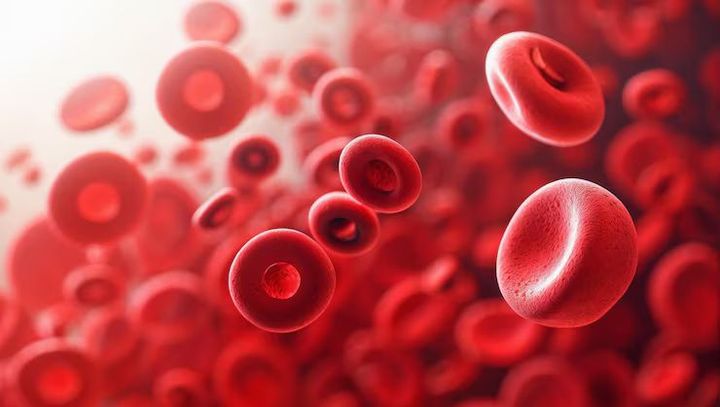
Anemia guide content helps readers understand a common health condition in which the body does not have enough healthy red blood cells to carry adequate oxygen to tissues. Red blood cells contain hemoglobin, a protein that binds oxygen and transports it throughout the body. When hemoglobin levels fall below normal, it can lead to fatigue, weakness, and other symptoms.
The concept of anemia has been recognized for centuries, but modern research has clarified its types, causes, and biological mechanisms. This condition exists across all age groups and regions, making it an important topic in public health discussions. Understanding anemia types and causes allows individuals to recognize early signs and seek appropriate evaluation.
Anemia is not a single disease but a group of conditions with different underlying reasons. These may include nutritional deficiencies, chronic diseases, genetic disorders, or blood loss. Because of this diversity, a structured anemia guide is useful for learning how the condition develops and how it can be identified.
Importance
Anemia remains a widespread health concern, affecting children, adults, and older populations. It is especially relevant in communities where access to balanced nutrition or healthcare screening is limited. Even mild anemia can affect daily activities by reducing energy levels and concentration.
The condition also plays a role in broader health challenges. For example, anemia during pregnancy can influence maternal and child health. In older adults, it may be linked with chronic illnesses or reduced physical capacity. Understanding anemia causes helps individuals and families recognize risk factors such as poor diet, long-term illness, or inherited conditions.
Common challenges associated with anemia include:
- Reduced physical stamina, which may affect work and daily routines
- Difficulty concentrating or maintaining attention
- Increased vulnerability to infections in some cases
- Complications in existing health conditions
Because symptoms can be subtle, many people may not realize they have anemia until it is identified through a medical test. This makes awareness and basic knowledge essential for early recognition.
Recent Updates
Recent developments in anemia research and awareness have focused on improving early detection and understanding population-level trends. Health organizations have placed greater emphasis on screening programs, especially for children and pregnant individuals, to identify anemia at earlier stages.
There has also been growing interest in the relationship between anemia and chronic diseases such as kidney conditions, inflammatory disorders, and metabolic issues. Researchers are examining how inflammation affects iron absorption and red blood cell production.
Digital health tools have become more common, allowing individuals to track symptoms and access educational resources. In addition, nutritional studies continue to explore the role of vitamins and minerals beyond iron, including vitamin B12 and folate, in preventing certain anemia types.
Another ongoing trend is the focus on dietary diversity and fortified foods in public health strategies. These approaches aim to address nutritional deficiencies that contribute to anemia in many regions.
Laws or Policies
Government policies and health programs play a role in addressing anemia, particularly in countries where it is a widespread public health issue. These policies often focus on prevention, screening, and awareness.
In India, for example, national health initiatives aim to reduce anemia prevalence through programs that promote balanced nutrition and routine health check-ups. Public distribution systems may include fortified food products designed to improve micronutrient intake.
Common policy approaches include:
- Nutritional programs, which encourage consumption of iron-rich foods and essential vitamins
- School health initiatives, where children are screened for anemia indicators
- Maternal health programs, focusing on monitoring hemoglobin levels during pregnancy
- Public awareness campaigns, designed to educate communities about anemia types and causes
These policies are typically implemented through healthcare networks, community workers, and educational institutions. The goal is to reduce the long-term health impact of anemia across different population groups.
Tools and Resources
Several tools and resources can help individuals learn more about anemia and monitor their health. These tools are designed to support awareness and understanding rather than replace medical evaluation.
Useful resources include:
- Hemoglobin level charts, which provide general reference ranges by age and gender
- Dietary planning guides, helping individuals include iron-rich and nutrient-dense foods in daily meals
- Symptom tracking apps, allowing users to record fatigue, dizziness, or other related signs
- Educational websites from health organizations, offering detailed explanations of anemia types and causes
- Community health centers, where basic screening tests such as blood counts are conducted
Below is a simple reference table showing general hemoglobin ranges:
| Group | Typical Hemoglobin Range (g/dL) |
|---|---|
| Adult men | 13.5 – 17.5 |
| Adult women | 12.0 – 15.5 |
| Children | 11.0 – 16.0 |
| Pregnant individuals | 11.0 – 14.0 |
These values may vary slightly depending on the laboratory and individual health conditions.
Understanding Types and Causes
Common Types of Anemia
Different anemia types are classified based on their underlying causes and how they affect red blood cells. Some of the most commonly recognized types include:
- Iron-deficiency anemia, which occurs when the body lacks sufficient iron to produce hemoglobin
- Vitamin deficiency anemia, linked to low levels of vitamin B12 or folate
- Aplastic anemia, where the bone marrow does not produce enough blood cells
- Hemolytic anemia, involving the premature destruction of red blood cells
- Sickle cell anemia, a genetic condition affecting the shape and function of red blood cells
Each type has distinct characteristics, but all share the common feature of reduced oxygen delivery to body tissues.
Key Causes of Anemia
Understanding anemia causes helps in identifying risk factors and possible prevention methods. Causes can vary widely depending on lifestyle, genetics, and health conditions.
Major causes include:
- Nutritional deficiencies, especially iron, vitamin B12, and folate
- Chronic diseases, such as kidney disorders or inflammatory conditions
- Blood loss, which may occur due to injury, surgery, or internal conditions
- Genetic factors, particularly in inherited forms like sickle cell anemia
- Bone marrow disorders, affecting the production of blood cells
In some cases, multiple factors may contribute to anemia, making diagnosis more complex.
FAQs
What are the most common anemia types and causes?
The most common anemia types include iron-deficiency anemia, vitamin deficiency anemia, and genetic forms such as sickle cell anemia. Causes often involve low nutrient intake, chronic illness, or blood loss.
How can an anemia guide help in understanding symptoms?
An anemia guide provides structured information about symptoms such as fatigue, pale skin, and dizziness. It also explains how these symptoms relate to reduced oxygen delivery in the body.
Who is more likely to develop anemia?
Groups at higher risk include children, pregnant individuals, older adults, and people with limited access to balanced nutrition. Individuals with chronic health conditions may also have a higher likelihood.
Can anemia be identified through simple tests?
Yes, anemia is commonly identified through blood tests that measure hemoglobin levels and red blood cell counts. These tests are part of routine health evaluations.
Why is it important to learn about anemia causes?
Understanding anemia causes helps individuals recognize risk factors and take steps to maintain balanced nutrition and overall health awareness.
Conclusion
Anemia is a common condition that affects people across different age groups and regions. Learning about anemia types and causes provides a clearer understanding of how the condition develops and why it matters. Awareness of symptoms and risk factors supports early identification and better health management. Public health programs and educational resources continue to improve knowledge and screening efforts. A structured anemia guide offers a simple way to explore key health insights related to this condition.
Disclaimer: The information provided in this article is for informational purposes only. We do not make any claims or guarantees regarding the accuracy, reliability, or completeness of the information presented. The content is not intended as professional advice and should not be relied upon as such. Readers are encouraged to conduct their own research and consult with appropriate professionals before making any decisions based on the information provided in this article.