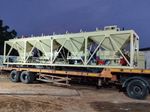
Weighing Units: A Guide to Load Cells, Measurement Accuracy, Calibration and Process Control
A weighing unit is a mechanical, electronic, or combined system used to determine the mass of materials or products.
It is commonly found in manufacturing plants, construction equipment, agricultural facilities, warehouses, food processing operations, and material-handling systems. A modern industrial weighing unit often combines load cells, sensors, a control panel, and software to measure material during production or movement.
The basic idea of weighing has existed for thousands of years. Early balance scales compared an unknown mass with known reference masses. Industrial systems later developed into platform scales, hopper scales, belt weighing systems, and electronic weighing equipment.
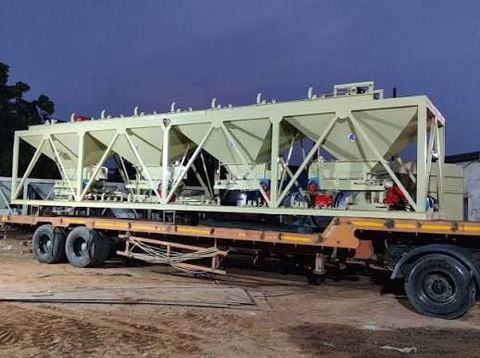
Today, electronic measurement is widely used because it can connect weighing information with automated processes. For example, a weighing unit installed beneath a hopper can determine how much aggregate, cement, grain, powder, or another material is inside the container.
How a Weighing Unit Works
Most electronic weighing units use load cells. A load cell is a sensing component that changes an applied mechanical force into an electrical signal. The weighing indicator receives this signal, processes it, and displays the measured value.
A basic weighing arrangement may contain:
- Load cells that detect force from the material.
- A junction box that combines signals from multiple load cells.
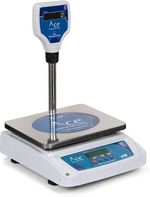
- A weighing indicator that converts the signal into a readable measurement.
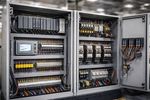
- A controller that can communicate with other equipment.
- Software for recording, monitoring, or controlling the weighing process.
The design depends on the application. A small platform weighing unit may have one or several load cells, while a large storage hopper may use several sensors positioned beneath its supporting points.
Importance
Why Industrial Weighing Matters
Accurate measurement affects many industrial processes. Materials are often required in specific quantities before they can move to another production stage. An incorrect measurement can change a mixture, alter production records, or create material-management problems.
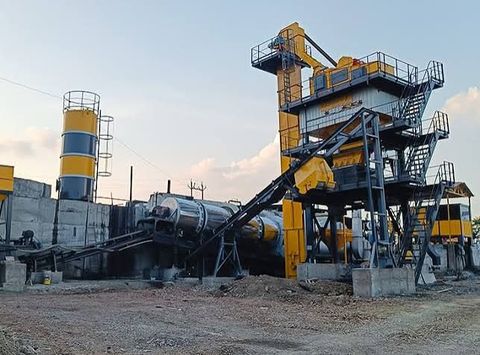
Weighing units are particularly important in batching systems. Concrete plants, asphalt mixing plants, chemical processing facilities, and food manufacturing operations may measure several materials before combining them.
In these situations, measurement can be linked to an automated controller. The controller can monitor whether the intended quantity has been reached and then signal the next stage of the process.
Common Applications
Industrial weighing units appear in many environments. Their applications include:
- Hopper weighing for bulk materials.
- Conveyor weighing for materials moving continuously.
- Platform weighing for containers and equipment.
- Silo weighing for stored powders, grains, and aggregates.
- Batch weighing for controlled mixtures.
- Truck weighing for determining vehicle and material mass.
- Filling systems for measuring quantities entering containers.
Different applications require different equipment arrangements. A conveyor system, for example, may use a belt scale, while a stationary hopper may rely on load cells positioned beneath its supporting structure.
Key Factors in Measurement
Measurement performance can be affected by several conditions. Temperature changes, vibration, mechanical stress, uneven loading, electrical interference, and material buildup can influence readings.
The following table summarizes common weighing arrangements:
| Weighing arrangement | Typical application | Main measurement principle |
|---|---|---|
| Platform weighing | Containers and products | Load cells beneath platform |
| Hopper weighing | Bulk materials | Load cells beneath hopper |
| Belt weighing | Continuous material flow | Load cells and belt movement |
| Silo weighing | Stored materials | Multiple load cells |
| Batch weighing | Mixed materials | Controlled individual quantities |
| Vehicle weighing | Trucks and transport | Large weighing platform |
Recent Updates
Digital Weighing Systems
From 2024 through 2026, industrial weighing has continued moving toward digital monitoring and greater integration with automated production systems. Modern controllers can exchange measurement information with programmable logic controllers and plant management software.
Digital communication can make it easier to monitor several weighing points from a central interface. Instead of reading each indicator separately, operators may be able to view measurement information through a common control system.
Automation and Data Recording
Another development is the integration of weighing units with automated batching. A controller can receive a target quantity, monitor the measured value, and coordinate material movement through gates, valves, feeders, or conveyors.
Data recording is also becoming more common. Recorded measurements can help facilities examine production batches, material usage, and process variations. This can be particularly useful where traceability and consistent records are important.
Improved Sensor Technology
Load cell designs continue to develop, with attention to environmental protection, signal stability, installation flexibility, and compatibility with digital communication. Some industrial systems also incorporate diagnostic information to help identify unusual readings or sensor-related problems.
These developments do not remove the need for proper installation and calibration. Digital equipment can still produce inaccurate measurements if mechanical components, wiring, environmental conditions, or calibration are not properly controlled.
Laws or Policies
Measurement Rules in India
In India, weighing equipment used for trade and commercial measurement falls within the framework of the Legal Metrology Act, 2009, and associated rules. Legal metrology establishes requirements for measurements and measuring instruments used in regulated transactions.
The Department of Consumer Affairs oversees the central legal-metrology framework, while state authorities handle various implementation and verification activities. Requirements can depend on how and where a weighing instrument is used.
Verification and Calibration
Where a weighing instrument is used for regulated commercial measurement, applicable verification and stamping requirements may apply. The specific requirements depend on the instrument and its intended use.
Industrial facilities should therefore distinguish between weighing used strictly for internal process control and weighing used for transactions or other regulated measurements. Technical requirements can also arise from equipment standards, electrical rules, workplace safety provisions, and environmental regulations depending on the facility.
Because regulations can change and requirements vary by application, current information from the relevant Indian government authority should be checked when compliance is required.
Tools and Resources
Load Cell Selection
Load cell documentation is an important technical resource when designing or maintaining a weighing unit. Specifications normally include rated capacity, accuracy characteristics, environmental protection, excitation requirements, and electrical output.
The selected capacity should correspond to the actual weighing arrangement, including the container or platform and the material being measured. Structural loading, shock forces, and uneven distribution also need consideration.
Calibration and Testing
Calibration equipment and certified reference masses may be used to evaluate weighing accuracy. The procedure depends on the type of weighing unit and the applicable measurement requirements.
Useful resources can include:
- Manufacturer technical manuals.
- Load cell installation guides.
- Calibration records.
- Equipment inspection checklists.
- Legal metrology documentation.
- PLC and weighing-controller manuals.
- Electrical wiring diagrams.
- Maintenance records.
Weighing Software and Controllers
Modern weighing controllers may communicate through industrial protocols and connect with PLC systems. Software can display measurements, record batches, generate reports, and monitor operating conditions.
The actual functions vary considerably between systems. A simple weighing indicator may only display mass, while a plant-level system can coordinate several weighing units and production stages.
FAQs
What is a weighing unit used for?
A weighing unit measures the mass of materials, products, containers, or other loads. In industrial environments, it may be used for hopper weighing, batching, conveyor measurement, silo monitoring, or vehicle weighing.
How does a load cell work in a weighing unit?
A load cell detects mechanical force created by a load and converts that force into an electrical signal. A weighing indicator or controller interprets the signal and displays the corresponding measurement.
What factors affect weighing unit accuracy?
Several factors can affect readings, including incorrect installation, vibration, temperature changes, uneven loading, mechanical friction, electrical interference, material buildup, and calibration conditions. Regular inspection helps identify conditions that may influence measurement.
What is an industrial weighing unit used for in batching?
In batching applications, a weighing unit measures individual materials before they are combined. A controller can monitor the measured quantity and coordinate feeders, gates, or other equipment according to the configured batch sequence.
Are weighing units regulated in India?
Some weighing instruments used for commercial or regulated measurements fall under India's legal-metrology framework. Verification and other requirements depend on the instrument's application and the applicable rules.
Conclusion
A weighing unit is an important measurement system used across manufacturing, construction, agriculture, logistics, and bulk-material handling. Modern systems commonly combine load cells, indicators, controllers, and digital communication to support measurement and automated processes. Accuracy depends not only on the electronic components but also on installation, mechanical conditions, calibration, and the operating environment. In India, weighing equipment used for regulated measurements can also be subject to legal-metrology requirements.