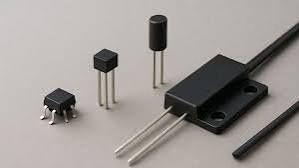
Sensor Matched Magnets: Guide, Uses and Key Principles
Sensor matched magnets are magnets selected or designed to work with a particular magnetic sensor and its sensing requirements. They are used in equipment where the position, movement, rotation, speed, or presence of an object needs to be detected without direct physical contact.
By matching magnet characteristics with sensor behavior, engineers can create predictable detection points in systems such as industrial machinery, automation equipment, appliances, vehicles, and electronic devices.
Context
What Are Sensor Matched Magnets?
A sensor matched magnet is a permanent magnet whose magnetic properties are considered alongside the characteristics of a magnetic sensor. The sensor may respond when the magnetic field reaches a particular level, changes direction, or moves through a defined sensing area.
Common sensor technologies used with magnets include Hall-effect sensors, reed switches, magnetoresistive sensors, and certain magnetic proximity sensors. Each technology responds differently to magnetic fields, so the magnet's strength, shape, orientation, and distance from the sensor can affect detection.
The phrase sensor matched magnets generally describes a design approach rather than one specific magnet category. The objective is to establish a suitable relationship between the magnet and sensor so that the intended event can be detected reliably under expected operating conditions.
How Magnetic Detection Works
A permanent magnet creates a magnetic field around it. When the magnet moves near a compatible sensor, the sensor detects a change in the magnetic field and produces an electrical response.
For example, a rotating shaft can carry a small magnet. Each time the magnet passes a Hall-effect sensor, the sensor can register a pulse. A control system can then use those pulses to determine rotational speed or position.
The result depends on several factors:
- Magnet material
- Magnetic field strength
- Magnet dimensions
- Pole orientation
- Air gap between magnet and sensor
- Sensor sensitivity
- Temperature
- Mechanical alignment
- Movement speed
- Nearby magnetic materials
Common Magnet Materials
Different permanent-magnet materials have different magnetic characteristics. Neodymium-iron-boron, samarium-cobalt, ferrite, and alnico are among the materials used in magnetic sensing applications.
Neodymium magnets can produce strong magnetic fields from relatively small volumes. Ferrite magnets are commonly used where different magnetic and environmental characteristics are suitable. Samarium-cobalt has useful temperature characteristics, while alnico has particular magnetic behavior that can suit specialized applications.
The material should be considered together with the sensor specification rather than selected independently.
Importance
Why Sensor Matching Matters
A magnetic sensor does not simply detect whether a magnet exists. It responds to the magnetic field reaching its sensing element. If the field is too weak, the sensor may not switch at the intended location. If the field is too strong or positioned incorrectly, the switching point may differ from the expected design.
Sensor matched magnets therefore matter in applications where consistent detection is part of equipment operation. They can help establish defined sensing distances and switching positions when the mechanical arrangement, magnet characteristics, and sensor specifications are properly coordinated.
Applications in Industrial Equipment
Magnetic sensing is used in many industrial systems because detection can take place without mechanical contact between the sensing element and moving component.
Typical applications include:
- Position detection on automated machinery
- Rotary speed measurement
- Door and guard monitoring
- Cylinder position sensing
- Conveyor movement detection
- Valve position indication
- Packaging equipment
- Motor and actuator feedback
- Machine indexing systems
In a linear mechanism, a magnet may move along a guided path while a sensor detects selected positions. In rotary equipment, multiple magnets may be arranged around a rotating component to generate repeated sensing events.
Applications in Everyday Equipment
Magnetic sensors are also found in products used outside industrial environments. Appliances, electronic devices, automotive systems, access-control equipment, and measurement instruments can use magnetic detection.
For instance, a small magnet may be placed in a movable cover while a sensor is fixed to the frame. When the cover moves, the magnetic field changes at the sensor, allowing an electronic circuit to determine whether the cover is in a particular position.
Design Factors
The relationship between a magnet and sensor can be described through several important design factors.
| Factor | Why it matters |
|---|---|
| Magnetic strength | Determines the field available to the sensor |
| Magnet size | Influences field distribution and mechanical placement |
| Pole orientation | Determines how the field reaches the sensing element |
| Air gap | Changes magnetic field intensity at the sensor |
| Sensor sensitivity | Defines the field level required for detection |
| Temperature | Can affect magnetic and sensor characteristics |
| Alignment | Influences repeatability of detection |
| Nearby materials | Ferromagnetic materials can alter field distribution |
These factors are normally considered during mechanical and electrical design rather than treated as separate decisions.
Recent Updates
Greater Use of Compact Magnetic Sensing
From 2024 through 2026, industrial equipment has continued moving toward smaller sensors, compact electronics, and more integrated automation. This trend has increased attention to magnet dimensions, sensing distance, mechanical tolerances, and installation space.
Compact magnets can be incorporated into moving components while sensors remain mounted in protected locations. The exact arrangement depends on the equipment architecture and sensor technology.
Digital Monitoring and Automation
Modern control systems increasingly combine magnetic position signals with programmable controllers, embedded electronics, and machine-monitoring platforms. A sensor can generate a digital signal that becomes one input among many used to monitor equipment behavior.
In automated machinery, magnetic detection may therefore contribute to position feedback, sequencing, counting, speed measurement, or condition monitoring.
Improved Design Analysis
Computer-aided magnetic simulation is also used to examine field distribution before physical components are produced. Engineers can model magnet geometry, sensor location, air gaps, nearby materials, and magnetic interactions.
This type of analysis can help identify possible detection problems caused by field distortion or mechanical tolerances. Physical testing remains important because actual materials, assembly conditions, and environmental factors can differ from simplified models.
Environmental Considerations
Temperature, vibration, moisture, chemicals, and mechanical shock can influence a magnetic sensing assembly. Current design practices therefore place greater attention on enclosure materials, magnet coatings, sensor protection, mounting arrangements, and environmental ratings.
For applications exposed to elevated temperatures, designers may examine the temperature characteristics of both the magnet and sensor rather than relying only on magnetic strength at room temperature.
Laws or Policies
Indian Regulatory Context
Sensor matched magnets are generally components rather than a standalone regulated product category. The applicable requirements depend on the equipment in which the magnets and sensors are installed.
For industrial machinery in India, electrical safety, workplace safety, electromagnetic compatibility, machinery design, and environmental requirements may apply according to the application. The Occupational Safety, Health and Working Conditions Code, 2020 is relevant to workplace safety frameworks, while electrical and industrial equipment may also fall under applicable BIS standards.
Standards and Testing
Relevant standards can depend on the sensor type and final equipment. IEC standards may address electrical equipment, electromagnetic compatibility, functional safety, or specific sensor technologies.
Where magnetic components are incorporated into regulated equipment, manufacturers and system designers may need to consider:
- Applicable BIS requirements
- IEC or ISO standards relevant to the equipment
- Electrical safety requirements
- Electromagnetic compatibility
- Environmental protection requirements
- Machinery safety provisions
- Documentation and traceability requirements
There is no single Indian regulation that defines every design parameter for all sensor matched magnets. The final application determines which standards and testing procedures are appropriate.
Tools and Resources
Magnetic Field Calculators
Magnetic field calculators can help estimate field strength for simplified magnet arrangements. They are useful for preliminary understanding, although actual assemblies may require more detailed analysis.
CAD and Magnetic Simulation
Computer-aided design software can help determine where a magnet can be physically placed. Electromagnetic simulation tools can then be used to study field distribution, air gaps, pole orientation, and interaction with nearby materials.
Sensor Datasheets
A sensor datasheet is one of the most important technical resources for matching a magnet. It may specify operating points, release points, recommended magnetic orientation, temperature range, supply requirements, and mechanical dimensions.
Standards and Technical Resources
Useful references can include the Bureau of Indian Standards, IEC publications, ISO standards, manufacturer datasheets, laboratory calibration documentation, and technical guidance from recognized engineering organizations.
When evaluating a sensing arrangement, engineers normally compare the magnet's field characteristics with the sensor's specified operating range rather than relying only on the magnet's nominal grade.
FAQs
What are sensor matched magnets?
Sensor matched magnets are permanent magnets selected or designed according to the requirements of a magnetic sensor. Their size, material, field strength, orientation, and position are considered together with the sensor.
How are sensor matched magnets used with Hall-effect sensors?
A magnet can move toward, away from, or across a Hall-effect sensor. The resulting change in magnetic field can cause the sensor to change its electrical output, allowing a control system to detect position, movement, rotation, or speed.
Does magnet size affect sensor detection?
Yes. Magnet dimensions influence the distribution and strength of the magnetic field. A larger magnet is not automatically appropriate because sensor response also depends on orientation, distance, sensitivity, surrounding materials, and operating conditions.
Which materials are used for sensor matched magnets?
Neodymium-iron-boron, ferrite, samarium-cobalt, and alnico are among the permanent-magnet materials used in magnetic sensing arrangements. Material selection depends on magnetic characteristics, temperature conditions, mechanical requirements, and the sensor design.
Are sensor matched magnets regulated in India?
The magnet itself is generally treated as a component, while requirements can apply to the equipment or system in which it is installed. Applicable BIS, IEC, ISO, electrical safety, electromagnetic compatibility, and machinery requirements depend on the specific application.
Conclusion
Sensor matched magnets are components selected in relation to the characteristics of a magnetic sensor and the physical conditions of an application. Magnet material, field strength, geometry, orientation, air gap, temperature, and alignment can all influence detection behavior. From industrial automation to electronic equipment, magnetic sensing provides a way to detect movement and position without direct mechanical contact. Proper technical specifications, testing, and applicable standards help establish whether a particular magnet and sensor arrangement is appropriate for its intended application.