Manufacturing Workforce Optimization: A Guide to Skills, Scheduling and Resource Planning
Manufacturing workforce optimization is the structured process of aligning people, skills, work schedules, production requirements, equipment, and workplace conditions so that industrial operations can function in a coordinated manner.
It uses workforce planning, production data, training information, scheduling methods, and operational analysis to understand how available workers can be assigned across manufacturing activities. The approach is relevant to factories of different sizes and across sectors such as automotive, electronics, food processing, chemicals, pharmaceuticals, textiles, and machinery production.
Context
What Manufacturing Workforce Optimization Means
A manufacturing workforce includes production operators, technicians, supervisors, quality personnel, maintenance teams, warehouse workers, planners, and other employees involved in plant activities. Their responsibilities may differ, but their work is often connected through production schedules and shared equipment.
Manufacturing workforce optimization examines these connections. Instead of looking only at the number of workers available, it considers factors such as skills, shift patterns, production volumes, machine availability, task complexity, safety requirements, absenteeism, and training needs.
The concept developed alongside industrial engineering and production planning. Earlier workforce planning often relied on manual schedules, historical records, and supervisor experience. Modern manufacturing environments increasingly combine these methods with digital production records and workforce analytics.
Why Workforce Planning Has Become More Data Driven
Manufacturing processes can change throughout the day. Production requirements may vary, machines may require maintenance, and employees may have different levels of training or authorization for particular tasks.
Digital systems can bring information from production planning, attendance records, enterprise resource planning systems, manufacturing execution systems, and maintenance platforms into a more structured view. This can help managers identify mismatches between workforce availability and operational requirements.
Workforce optimization does not simply mean reducing the number of employees. It can also involve improving shift balance, reducing unnecessary waiting, identifying training gaps, and aligning skills with production requirements.
Main Elements of Workforce Optimization
A manufacturing workforce optimization program commonly considers several connected areas:
- Workforce planning: Estimating the number and types of workers needed for planned production.
- Skill mapping: Recording which employees have training or authorization for particular activities.
- Shift scheduling: Organizing working periods around production requirements and applicable working-hour rules.
- Workload analysis: Comparing expected tasks with available workforce capacity.
- Training planning: Identifying areas where additional knowledge or practical training may be required.
- Attendance analysis: Understanding patterns that can affect production continuity.
- Performance measurement: Using defined operational indicators without relying on a single measurement.
Importance
Supporting Production Continuity
Manufacturing facilities depend on coordination between people and equipment. If a production line has insufficient qualified personnel during a particular shift, equipment capacity may not translate into actual production capability.
Workforce optimization helps organizations compare planned production requirements with workforce availability. This can reveal potential gaps before they affect normal operations.
For example, a facility may have several production lines but only a limited number of employees trained to operate particular machines. Skill mapping can make this dependency visible and support more structured workforce planning.
Managing Skills and Training
Manufacturing technology is changing as automation, robotics, digital controls, sensors, and data systems become more common. Employees may therefore need a combination of mechanical, electrical, digital, quality, and process knowledge.
A skills matrix can show which workers have completed particular training and where additional capability development may be required. This information can also support succession planning and cross-training while maintaining appropriate safety controls.
Improving Shift Coordination
Shift planning is another important part of manufacturing workforce optimization. A schedule needs to consider production demand, worker availability, skill requirements, legally permitted working hours, rest periods, and workplace safety.
A simple planning framework may compare workforce capacity with expected workload:
| Workforce factor | Typical planning question | Related operational area |
|---|---|---|
| Headcount | How many workers are available? | Production planning |
| Skills | Which tasks can each worker perform? | Training |
| Shift coverage | Are required skills present in each shift? | Scheduling |
| Absence | How could planned absence affect coverage? | Workforce planning |
| Workload | How much activity is expected? | Production |
| Overtime | Are additional hours being planned appropriately? | Compliance |
| Training | Which capabilities need development? | Skill management |
Balancing People and Automation
Automation can change the nature of manufacturing work rather than simply eliminating manual activities. Automated equipment still requires people for setup, monitoring, maintenance, quality checks, troubleshooting, programming, and process management.
Workforce optimization therefore needs to consider human-machine interaction. A production system may require fewer repetitive manual tasks while requiring more technical knowledge for equipment operation and process monitoring.
Addressing Common Operational Challenges
Manufacturers may face uneven workloads, skill shortages, shift imbalances, unexpected absences, training gaps, and changing production schedules. Poor coordination can also result in idle time, excessive overtime, or bottlenecks around specific activities.
Workforce analysis provides a structured way to examine these conditions. The objective is to understand the relationship between workforce capacity and production requirements while also considering safety, employee welfare, quality, and compliance.
Recent Updates
Digital Workforce Analytics
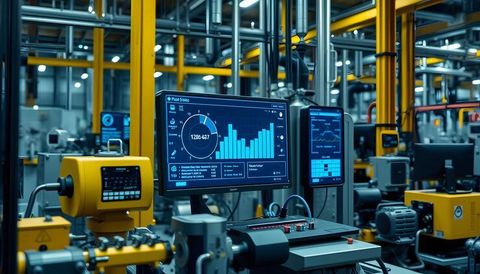
From 2024 through 2026, manufacturing organizations have increasingly connected workforce information with production and operational data. Digital dashboards can combine shift schedules, attendance information, production plans, machine status, and selected performance indicators.
This creates a broader picture of plant capacity. However, data quality remains important because inaccurate attendance, skill, or production information can produce misleading planning results.
Artificial Intelligence and Predictive Planning
Artificial intelligence and machine learning are increasingly being explored for workforce forecasting and production planning. These technologies can analyze historical patterns and identify relationships between production requirements, staffing levels, equipment conditions, and shift activity.
Such systems should be treated as analytical tools rather than automatic decision makers. Human review remains important when workforce decisions affect safety, working conditions, qualifications, or regulatory requirements.
Digital Skills Matrices
Traditional skills matrices are increasingly being maintained through digital workforce platforms. Instead of keeping isolated spreadsheets, organizations may connect training records, qualifications, task authorization, and workforce planning information.
This approach can make it easier to identify whether particular skills are available across different shifts or production areas.
Greater Attention to Workforce Flexibility
Manufacturing environments are also placing greater attention on cross-training and flexible workforce planning. Employees with multiple verified competencies can provide greater scheduling flexibility, provided that training, authorization, workload, and safety requirements are properly considered.
The emphasis is shifting toward workforce resilience, where planning accounts for normal fluctuations rather than relying on a fixed staffing pattern.
Integration With Smart Manufacturing
Smart manufacturing systems increasingly connect production planning, machine data, quality information, maintenance records, and workforce information. This can support more detailed analysis of how human activities interact with equipment and processes.
At the same time, cybersecurity and data governance have become important considerations because workforce systems may contain personal information alongside operational data.
Laws or Policies
Labour Regulations in India
Manufacturing workforce planning in India is influenced by labour, occupational safety, working-hour, wage, and social security requirements. The Occupational Safety, Health and Working Conditions Code, 2020 is particularly relevant to workplace safety and conditions in covered establishments.
India's labour-code framework also includes the Code on Wages, 2019, the Industrial Relations Code, 2020, and the Code on Social Security, 2020. Their application should be assessed according to the establishment, workforce category, applicable rules, and current government notifications.
Occupational Safety
Workforce optimization cannot be separated from occupational safety. Shift schedules, task assignments, machine operation, training, protective measures, and emergency procedures need to account for applicable safety requirements.
Relevant central and state authorities may establish additional requirements depending on the industrial activity. Manufacturers should therefore examine the rules applicable to their specific facility rather than relying on a generic workforce model.
Digital Workforce Data
Workforce analytics can involve attendance, training, qualification, scheduling, and other employee-related information. Organizations using digital workforce platforms should consider applicable data-protection requirements and appropriate controls for access, retention, security, and use of personal information.
India's Digital Personal Data Protection framework is relevant to the broader handling of digital personal data. Specific obligations depend on the nature of the organization and the data-processing activity.
Tools and Resources
Workforce Planning Software
Workforce planning platforms can help organize employee availability, shift requirements, skills, training records, and production schedules. The appropriate system depends on plant size, manufacturing complexity, workforce structure, and existing digital infrastructure.
ERP and MES Platforms
Enterprise resource planning systems can connect production planning with organizational records, while manufacturing execution systems can provide information about production activities. Integration between these systems can help create a more complete operational picture.
Skills Matrix Templates
A skills matrix can be maintained as a structured spreadsheet or within a workforce management platform. Common fields include employee role, equipment qualification, training status, authorization level, refresher-training requirement, and applicable production area.
Analytical Metrics
Several indicators can support workforce analysis. Examples include absenteeism rate, overtime hours, training completion, schedule adherence, workforce utilization, and production output per scheduled labor hour. These measures should be interpreted together because one indicator rarely explains an entire manufacturing situation.
Government and Standards Resources
Useful reference points in India include the Ministry of Labour and Employment, state labour departments, the Directorate General Factory Advice Service and Labour Institutes, and relevant regulatory bodies. International standards from organizations such as ISO and IEC can also provide structured approaches for quality, safety, asset management, and industrial systems.
FAQs
What is manufacturing workforce optimization?
Manufacturing workforce optimization is the process of aligning employee availability, skills, schedules, workload, production requirements, and workplace conditions. It aims to improve coordination while considering safety, quality, and applicable regulations.
How does manufacturing workforce optimization use technology?
Digital platforms can combine workforce schedules, skills, attendance, production plans, machine information, and training records. Analytics and artificial intelligence may then help identify patterns and planning gaps, with human review remaining important.
Why is a skills matrix important in manufacturing workforce optimization?
A skills matrix shows which employees have verified knowledge or authorization for particular activities. It can help planners understand skill coverage across shifts and identify training requirements.
Can automation affect manufacturing workforce optimization?
Yes. Automation can change the tasks performed by employees and increase the need for technical capabilities related to equipment operation, monitoring, maintenance, programming, and quality control.
What regulations affect manufacturing workforce planning in India?
Relevant areas include occupational safety, working conditions, wages, industrial relations, and social security. The four labour codes and applicable central or state rules form an important part of the regulatory landscape, with specific requirements depending on the establishment and workforce.
Conclusion
Manufacturing workforce optimization connects workforce planning with production requirements, employee skills, scheduling, safety, and operational data. Digital analytics, skills matrices, integrated manufacturing systems, and emerging artificial intelligence tools are changing how these activities are organized. In India, workforce planning must also consider labour, occupational safety, data protection, and industry-specific requirements. A structured approach provides a clearer view of the relationship between people, processes, equipment, and production activities.