Laboratory Water Baths: Explore Temperature Control, Components and Operating Basics
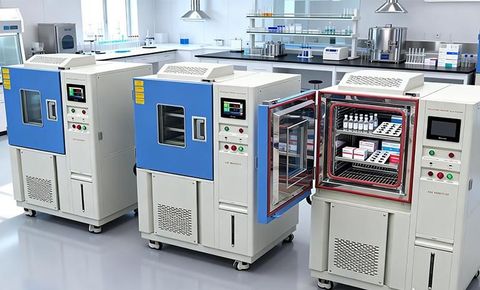
Laboratory Water Baths are instruments used to heat and maintain samples at a controlled temperature.
They are common in laboratories because many experiments and preparation procedures require gentle, uniform heating rather than direct contact with a heating element. A water bath typically consists of an insulated chamber filled with water, a heating system, a temperature sensor, and a control mechanism.
The basic concept is straightforward. A container holding a sample is placed into the heated water, allowing heat to transfer gradually and evenly around the container. This arrangement helps reduce direct temperature differences that can occur when a sample is heated directly on a hot surface.
How Laboratory Water Baths Work
A typical water bath uses an electrical heating element to warm the water inside its chamber. A temperature sensor measures the water temperature, while a controller switches or adjusts heating according to the selected temperature.
Once the desired temperature is reached, the control system maintains the water within a defined range. The sample container remains surrounded by warm water, allowing heat to move from the water through the container wall and into the sample.
Some Laboratory Water Baths use circulation systems to move water around the chamber. Circulation can help reduce temperature differences between different areas of the bath, particularly when the chamber contains several containers.
Development of Water Bath Technology
The water bath is based on an old laboratory heating concept in which water acts as a controlled heat-transfer medium. Modern laboratory versions developed from this simple approach by adding electrical heating, temperature sensors, thermostatic controls, digital displays, and safety features.
Today, water baths are available in different sizes and configurations. Some are designed for general laboratory work, while others incorporate circulation, shaking, cooling, or specialized temperature-control functions.
Typical Temperature Range
The usable temperature range depends on the design of the instrument. Conventional water baths are generally intended for temperatures around or below the boiling point of water. Specialized units may use different heat-transfer fluids when applications require temperatures outside the normal range of water-based operation.
The selected temperature should match the sample and the experimental procedure. Water temperature and sample temperature are related, but they do not always become identical immediately because heat transfer takes time.
Importance
Laboratory Water Baths matter because controlled heating is required in many scientific, medical, educational, environmental, food, and industrial laboratories. They provide a way to heat samples gradually without exposing containers directly to a heated metal surface or flame.
Consistent Sample Heating
Uniform heating can be important when a laboratory procedure depends on a particular temperature. Uneven heating may cause different parts of a sample to experience different conditions.
A water bath surrounds the sample container with a relatively uniform thermal environment. This makes the technique useful for procedures involving incubation, warming, melting, reaction preparation, and temperature-controlled sample handling.
Applications in Different Laboratories
Laboratory Water Baths are used in several areas, including:
- Biology laboratories for controlled incubation and sample preparation.
- Chemistry laboratories for warming solutions and supporting temperature-dependent reactions.
- Food laboratories for controlled heating and analytical preparation.
- Environmental laboratories for sample preparation and testing procedures.
- Educational laboratories for demonstrations and practical experiments.
- Industrial laboratories for material testing and process-related investigations.
The exact application depends on the bath design, temperature range, chamber size, and laboratory procedure.
Water Bath Types
Different types of water baths are designed around different laboratory requirements.
| Type | Main feature | Typical use |
|---|---|---|
| General-purpose water bath | Basic temperature-controlled heating | Routine sample warming |
| Circulating water bath | Pump-driven water movement | Applications needing improved temperature uniformity |
| Shaking water bath | Controlled movement during heating | Mixing and incubation |
| Digital water bath | Electronic temperature display and control | Routine laboratory temperature management |
| Refrigerated water bath | Heating and cooling capability | Procedures requiring temperatures below ambient |
| Constant-temperature bath | Controlled thermal environment | Temperature-sensitive laboratory procedures |
Factors That Influence Performance
Several factors can affect how a water bath performs. These include the amount of water, number and size of containers, container position, ambient temperature, circulation, and selected temperature.
Water level is particularly important. If the chamber contains too little water, containers may not be surrounded adequately, while excessive filling can create a risk of water entering containers or reaching areas not intended for immersion.
Recent Updates
Recent developments in Laboratory Water Baths have focused on digital controls, temperature monitoring, improved insulation, automated functions, and integration with laboratory data systems. The basic heating principle remains similar, but electronic controls have become more sophisticated.
Digital Temperature Control
Many current water baths use digital displays and electronic controllers. Users can select a target temperature and observe the measured value directly on the instrument.
Some systems provide programmable temperature settings, timers, alarms, or other control functions. These features can help laboratories document operating conditions and reduce reliance on manual temperature observation.
Improved Temperature Monitoring
Temperature sensors and electronic control systems are increasingly designed to detect changes in water temperature quickly. Some instruments can display both the selected temperature and the measured temperature.
External temperature probes may also be used in certain laboratory setups. These probes can provide additional information about the temperature near a sample rather than only the temperature measured at a fixed point inside the bath.
Energy and Insulation Considerations
Manufacturers of laboratory equipment have increasingly focused on thermal insulation and heating efficiency. Improved insulation can reduce unnecessary heat transfer from the chamber to the surrounding environment.
Lids are also commonly used to reduce evaporation and heat loss. The appropriate approach depends on the temperature, sample containers, laboratory environment, and operating procedure.
Safety and Monitoring Features
Current water baths may include features such as over-temperature protection, low-water detection, alarms, automatic shutdown, and fault indicators. These functions vary by instrument design.
Safety remains important because water and electrical equipment are used together. Laboratory personnel generally need to follow the equipment instructions, electrical safety procedures, and applicable laboratory protocols.
Digital Laboratory Integration
Laboratories increasingly use electronic records for equipment monitoring and experimental documentation. Some temperature-controlled instruments can be connected to computers or laboratory information systems through supported interfaces.
Digital records can help track temperature conditions, maintenance activities, calibration information, and experimental results where such documentation is required.
Laws or Policies
In India, the use of Laboratory Water Baths can be affected by laboratory safety requirements, electrical safety practices, quality-management systems, and sector-specific regulations. There is generally not one single regulation covering every laboratory water bath application.
Laboratory Quality and Calibration
Laboratories performing formal measurements may operate according to ISO/IEC 17025 requirements. This standard addresses laboratory competence, equipment management, measurement processes, calibration, and technical records.
Temperature measurement equipment may require calibration or verification according to the laboratory's quality system and intended use. Reference thermometers and traceable calibration arrangements can be used where documented temperature accuracy is necessary.
Electrical and Workplace Safety
Water baths combine electrical components with water, so appropriate electrical safety practices are important. Laboratories should use equipment according to its rated electrical specifications and follow applicable workplace safety requirements.
The Occupational Safety, Health and Working Conditions Code and relevant state-level implementation requirements form part of India's broader workplace safety framework. Specific laboratory obligations can vary according to the organization and activity.
Sector-Specific Requirements
Laboratories working with food, pharmaceuticals, environmental samples, biological materials, or other regulated materials may also follow sector-specific requirements. Relevant organizations can include the Food Safety and Standards Authority of India, Central Drugs Standard Control Organisation, Central Pollution Control Board, and State Pollution Control Boards, depending on the application.
Bureau of Indian Standards, ISO, ASTM, and other technical organizations may provide applicable standards or test methods for particular materials and procedures. The relevant document depends on the laboratory's scope and measurement purpose.
Tools and Resources
A water bath normally forms part of a larger laboratory setup. Supporting tools help with temperature verification, sample preparation, documentation, and routine equipment checks.
Common Laboratory Tools
Typical supporting equipment includes:
- Calibrated laboratory thermometers or temperature probes.
- Heat-resistant sample containers and racks.
- Precision balances for sample preparation.
- Timers for controlled incubation periods.
- Pipettes and measuring equipment.
- Water-quality materials for maintaining the bath.
- Cleaning tools and appropriate laboratory detergents.
- Temperature-recording equipment where continuous monitoring is required.
The selection of supporting equipment depends on the laboratory procedure and the temperature range involved.
Documentation and Reference Resources
Instrument manuals provide information about chamber capacity, temperature limits, water-level requirements, cleaning procedures, and safety functions. Laboratory standard operating procedures can define how the equipment should be prepared, operated, cleaned, and checked.
Useful technical references may include publications and standards from BIS, ISO, ASTM, NIST, and relevant Indian regulatory organizations. Calibration certificates and equipment history records can also form part of laboratory quality documentation.
Maintenance Considerations
Routine maintenance can involve checking water condition, cleaning the chamber, examining seals and electrical connections, and verifying temperature performance according to laboratory procedures.
Water may accumulate mineral deposits over time, particularly where untreated water is used. The appropriate water type and cleaning method depend on the instrument manufacturer's specifications and the laboratory's operating procedure.
FAQs
What are Laboratory Water Baths used for?
Laboratory Water Baths are used to heat samples at controlled temperatures. Common applications include incubation, warming solutions, sample preparation, controlled reactions, and other procedures requiring gradual heating.
How do Laboratory Water Baths maintain temperature?
A heating element warms the water while a temperature sensor measures the water temperature. An electronic or thermostatic controller regulates heating to maintain the selected temperature within the instrument's specified control range.
What temperature can Laboratory Water Baths reach?
The temperature range depends on the specific design. Conventional water baths generally operate within temperatures suitable for water as the heating medium, while specialized temperature-controlled baths may use other fluids for different ranges.
Why is water used in Laboratory Water Baths?
Water transfers heat efficiently and surrounds the sample container, providing gradual and relatively uniform heating. It is suitable for many routine laboratory applications within its normal temperature range.
How should Laboratory Water Baths be maintained?
Maintenance commonly includes keeping the chamber clean, maintaining the appropriate water level and quality, checking temperature performance, and following the equipment manual. Calibration or verification may also be required under a laboratory quality system.
Conclusion
Laboratory Water Baths provide controlled, indirect heating for samples and laboratory materials. Their basic operation uses heated water as a thermal medium, while modern instruments may include digital controls, circulation, alarms, temperature monitoring, and data-recording capabilities. Appropriate water level, sample placement, temperature control, cleaning, and equipment verification can influence measurement and heating conditions. Applicable laboratory standards and safety requirements depend on the equipment and its intended use.