Industrial Bioreactors: How They Work and Why They Matter
Industrial bioreactors are enclosed vessels engineered to support biological processes under controlled conditions. Inside these systems, living cells, microorganisms, or enzymes are cultivated to produce substances such as proteins, antibiotics, enzymes, biofuels, and food ingredients.
The equipment regulates temperature, oxygen levels, pH, and mixing so that biological reactions occur consistently and at a scale far beyond what a laboratory flask could achieve.
The concept traces back to early fermentation practices used for brewing and food preservation, where humans relied on natural microbial activity without fully understanding the science behind it. Over the twentieth century, as microbiology and chemical engineering advanced together, these traditional fermentation vessels evolved into precisely instrumented systems. Today's industrial bioreactors incorporate sensors, automated controls, and materials designed to maintain sterile, stable environments for extended production runs.
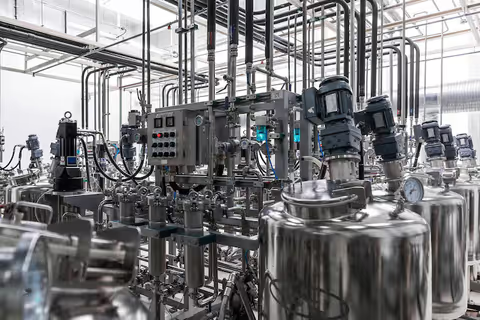
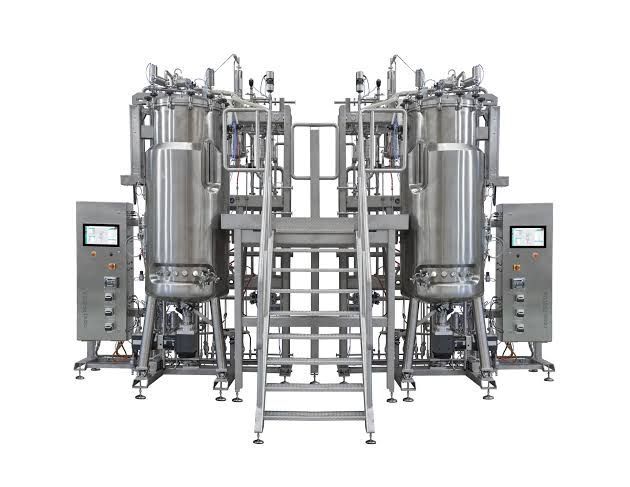
Bioreactors are found across pharmaceutical manufacturing, agriculture, wastewater treatment, and industrial biotechnology. Their designs vary considerably depending on the organism being cultivated and the intended output, ranging from small benchtop units used in research to large stainless-steel tanks that hold thousands of liters.
Why Industrial Bioreactors Matter
Bioreactors matter because they make it possible to produce biological materials on a scale that supports modern healthcare, agriculture, and manufacturing. Vaccines, insulin, monoclonal antibodies, and many other medical products depend on cells or microorganisms grown inside these controlled systems. Without reliable bioreactor technology, consistent large-scale production of such materials would not be achievable.
These systems also affect people well beyond pharmaceutical settings. Food and beverage producers use fermentation-based bioreactors to make products like yogurt cultures, enzymes for baking, and plant-based proteins. Environmental engineers use bioreactors in wastewater treatment plants, where microorganisms break down organic pollutants before water is released back into the environment.
The everyday problems addressed by bioreactor technology include:
- Producing medicines and biologics at a volume sufficient to meet public health needs
- Supporting sustainable manufacturing of enzymes, biofuels, and biodegradable materials
- Treating industrial and municipal wastewater through biological rather than purely chemical methods
- Enabling food security through fermentation-based protein and nutrient production
Because so many downstream industries depend on this technology, disruptions in bioreactor availability or performance can have ripple effects across supply chains for medicine, food, and environmental management.
Recent Trends in Bioreactor Technology
The field of industrial bioreactor design has seen steady movement toward single-use, or disposable, bioreactor systems. These use pre-sterilized plastic bags instead of traditional stainless-steel tanks, reducing the time and water needed for cleaning between production batches. This shift has been particularly notable in biopharmaceutical manufacturing, where flexibility and contamination control are priorities.
Automation and digital monitoring have also become more common. Modern bioreactors increasingly rely on sensor networks and software that track variables such as dissolved oxygen, temperature, and cell density in real time, allowing operators to make adjustments without manually sampling the culture. This trend toward digitized bioprocessing supports more consistent product quality and reduces the likelihood of human error during long production cycles.
There is also growing interest in continuous manufacturing, where biological material is produced and harvested on an ongoing basis rather than in separate batches. This approach can improve efficiency and reduce downtime compared with traditional batch processing, though it requires more sophisticated control systems to maintain stability over longer periods.
Sustainability considerations continue to shape bioreactor development as well. Manufacturers are exploring ways to reduce energy consumption, minimize plastic waste from single-use components, and use alternative feedstocks that lower the environmental footprint of biological production.
Regulatory and Policy Considerations
Bioreactor operations, particularly in pharmaceutical and food production, are shaped by regulatory frameworks intended to protect public health and product safety. In the United States, agencies such as the Food and Drug Administration oversee manufacturing practices for biologics and pharmaceuticals produced using bioreactor systems, requiring adherence to Good Manufacturing Practice standards.
Environmental regulations also apply to facilities using bioreactors for wastewater treatment or industrial fermentation, since these processes can involve the discharge of biological byproducts. Agencies responsible for environmental protection typically set standards for effluent quality, emissions, and waste handling that facility operators must follow.
Biosafety regulations govern the handling of microorganisms and genetically modified organisms used in some bioreactor applications. These rules address containment requirements, worker safety protocols, and, where relevant, oversight of genetically engineered production strains to prevent unintended environmental release.
Because regulatory requirements vary by country and by the specific application, facilities operating bioreactors generally work within a layered system of national, regional, and sometimes local rules that govern safety, environmental impact, and product quality.
Tools and Resources Related to Bioreactor Operations
A range of tools and reference materials support people working with or learning about bioreactor systems.
| Resource Type | Purpose |
|---|---|
| Process control software | Monitors and adjusts variables like temperature, pH, and oxygen levels during operation |
| Bioprocess simulation tools | Models fermentation and cell culture behavior before physical production begins |
| Sterility and contamination testing kits | Verifies that a bioreactor environment remains free of unwanted microorganisms |
| Regulatory guidance documents | Outlines manufacturing and safety standards published by relevant government agencies |
| Academic and industry publications | Provides technical background on bioreactor design, scale-up, and process optimization |
These resources are typically used by engineers, microbiologists, and quality assurance teams involved in designing, operating, or troubleshooting bioreactor systems. Educational institutions and industry associations often maintain publicly accessible technical documentation on bioreactor fundamentals.
Frequently Asked Questions
What is an industrial bioreactor used for? An industrial bioreactor is used to grow cells, microorganisms, or enzymes under controlled conditions in order to produce substances such as pharmaceuticals, food ingredients, biofuels, or treated wastewater byproducts.
How does a bioreactor maintain the right conditions for biological growth? A bioreactor uses sensors and control systems to regulate temperature, oxygen supply, pH, and mixing, keeping conditions stable throughout the production cycle so the organisms inside can grow consistently.
What is the difference between a single-use and a stainless-steel bioreactor? A single-use bioreactor relies on pre-sterilized disposable bags, reducing cleaning requirements between batches, while a stainless-steel bioreactor is a reusable, permanently installed system that requires thorough sterilization after each production run.
Are industrial bioreactors regulated? Yes, industrial bioreactors used in pharmaceutical, food, and environmental applications are generally subject to regulatory oversight covering manufacturing practices, safety, and environmental discharge standards, with specific requirements varying by country and industry.
What industries rely on industrial bioreactor technology? Industries that rely on bioreactor technology include pharmaceuticals and biotechnology, food and beverage production, agriculture, and environmental engineering, particularly wastewater treatment.
Conclusion
Industrial bioreactors provide the controlled environment necessary to grow cells and microorganisms at a scale that supports medicine, food production, and environmental management. Their design has evolved from simple fermentation vessels into highly instrumented systems capable of precise, consistent biological production. Ongoing trends such as single-use systems, digital monitoring, and continuous manufacturing continue to shape how these systems are built and operated. Regulatory oversight helps ensure that bioreactor-based production remains safe and consistent across the industries that depend on it. As biological manufacturing continues to expand, bioreactor technology remains a foundational part of how many everyday products are made.